My YouTube story: 10 years, Trempel and 100+ channels
In 2015 I was in my second year of university and decided I wanted to do YouTube. My parents said I needed a degree first. I had been watching Casey Neistat's vlogs for a year without really understanding English. It felt like every channel already existed and I was too late. I was very wrong.
Trempel: translations that grew into a business
On 5 May 2016 a friend and I launched Trempel, a channel translating Casey's videos. A translator friend did the first one for free, and we found a voice actor through a job post. The first year was hard: 100–300 views a day and only 17K subscribers in twelve months.
Then Casey posted his videos about flying the most expensive airline seats, and our translation took off. One video pulled the older ones along, about 20K subscribers came in a month, and from then on average views never dropped below 10K. Today the channel has 507 videos, 247K subscribers and 39.5M views. Monetization brought in about $30K.
But monetization wasn't the point. We positioned ourselves as a translation and voiceover studio, and YouTube started bringing orders: articles first, then videos, then brands with websites of hundreds of pages and hundreds of video tutorials. That became a studio with eight voice actors, three translators, a project manager and a designer. It was my first business, and it grew out of YouTube without us planning it.
Shows, strikes and Trempel Prod
We launched separate channels translating other creators, then moved to entertainment shows. Trempel Social made 20.8M views from 22 videos, about 900K per video, and we started selling ads at $1,000–2,500 each.
Then one morning we woke up to two copyright strikes out of three. A third would have deleted the channel along with all our ad commitments. That's when we realized you can't build a business on someone else's content, and started filming our own.
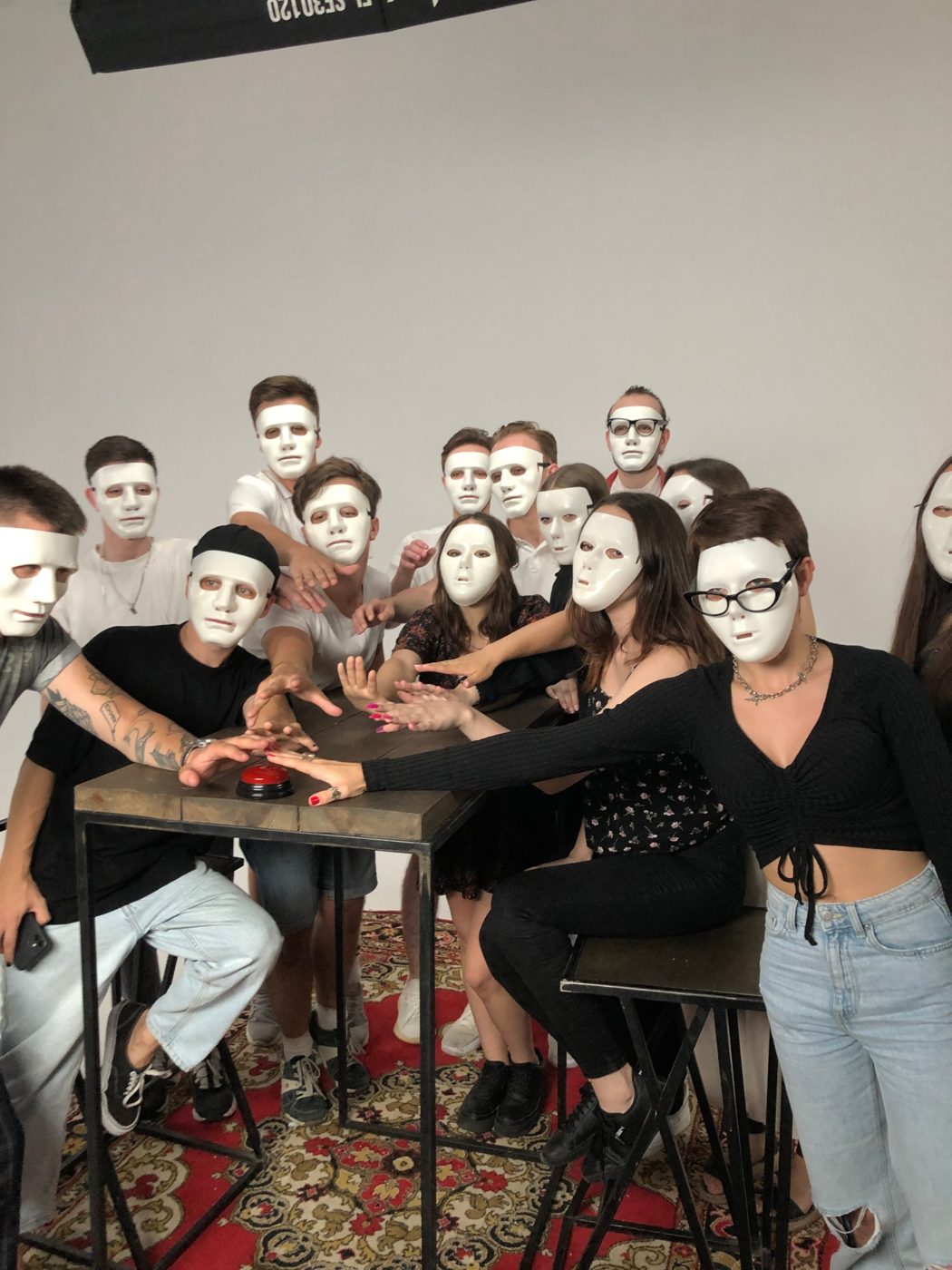
The first shoots were terrible: a cheap camera operator, bad sound, bad light and no scripts. We learned from every mistake: shoot identical episodes on the same day, use lavalier mics, prep the night before. "100 people, one question" took 32 hours over three days. Later we moved production from Kharkiv to Kyiv for proper studios and gear rental.
Trempel Prod grew to almost 500K subscribers and 80M views, and we got a YouTube Silver Play Button. Individual videos regularly hit 3–5 million views. The top video got 5.4M views and 611K watch hours, brought 41K subscribers and $4,500 in monetization. One video has 8,590 real comments, no actors and no fake engagement. In total the channel earned about $56,800 from monetization and another $20–30K from ads. We turned down betting and adult ads on principle, even when we had no money at all.
After the full-scale war began we stopped the old channels and tried our shows in English. Blind Date in Ukraine, with subtitles only, got 3M views and 18K subscribers, and one video reached 1.7M views, mostly in the US.
How I started working with businesses
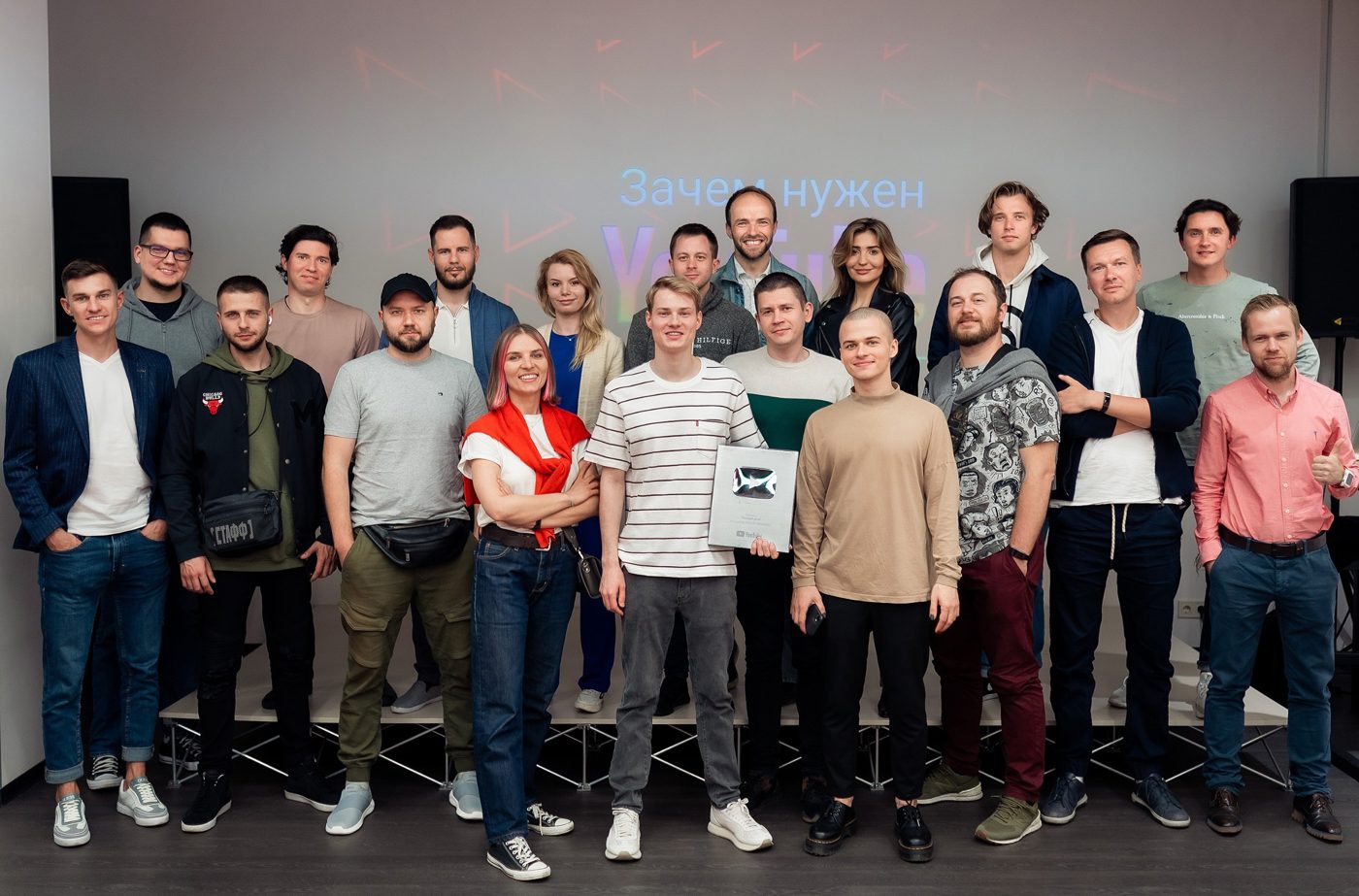
Once our channel was successful, companies started reaching out: banks, beauty brands, well-known people. That's how I took on the channel of monobank co-founder Mykhailo Rogalskyi, which grew from 6K to 60K subscribers over three years. Then came real estate in Dubai, Turkey, Estonia and Spain, franchises, expert channels and English-language channels for the US.
This is where I learned the main lesson. My expert channel about YouTube, with 500–700 views per video, earned me more than channels with millions. It brought 10–12 clients who stayed six months to a year. A video with 322 views brought about ten consultations. The big money isn't in monetization, it's where you sell your services and expertise.
I also tested Shorts back when nobody was pushing them: 54 clips in two months at 20–70 views each, and we gave up. Four months later one of them had 1.2M views. Since then I never tell clients to skip Shorts.
Where it led
In 10 years I've launched over 100 channels, and clients have earned 13 Silver Play Buttons. I built three businesses: a translation and voiceover studio, a TikTok agency and the YouTube agency Subscribe. I've spoken at the biggest Ukrainian digital conferences and trained TV producers to launch YouTube for their channels.
Today I help businesses and experts build channels that bring in clients. No faceless channels, no fake views. Normal channels where a person shares their experience and YouTube brings them the people who need it.
If you think it's too late to start on YouTube, remember 2015. I thought so too.